


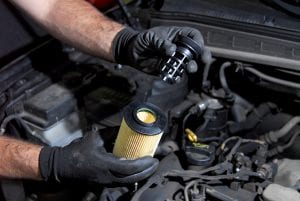
When it’s time to replace your vehicle’s filters, the age-old question of whether you should choose an original equipment manufacturer (OEM) filter or an aftermarket filter may crop up.
Choosing the right option can depend on your vehicle, budget and whether your vehicle is still under warranty.
To help you make an informed decision, the Filter Services UK team is here to break down the key differences between OEM and aftermarket filters. We’ll cover oil, air, fuel and cabin filter types so that you can make the right call for your vehicle.
What Does OEM Actually Mean?
OEM stands for Original Equipment Manufacturer. An OEM filter is produced either by the vehicle manufacturer itself or by the supplier the manufacturer contracted to make the part in the first place. When you buy an OEM oil filter for a Ford, for example, you are buying a filter that meets Ford’s exact engineering specifications for that engine.
Aftermarket filters, by contrast, are produced by third-party manufacturer companies that design parts to be compatible with a wide range of vehicles rather than a single model or platform. The aftermarket is vast and varied. At the top end, you have premium brands like Mann, Baldwin, Donaldson and Fleetguard, which are trusted by professional workshops and fleet operators across the UK. However, as you might expect, at the budget end, the quality can be considerably more inconsistent.
The Case for OEM Filters
Original equipment manufacturers (OEMs) are held in high regard, meaning they can prove to be the best choice in most scenarios.
Guaranteed Fit
OEM filters are engineered to precise tolerances to match the specific requirements of your vehicle. They are built to OEM specifications, meaning they will offer direct fits with no gaps. It’s easy to overlook just how important this is for the overall health of your vehicle. That’s because a filter that does not fit perfectly can allow unfiltered air or oil to bypass the filter media entirely, sending contaminants straight into your engine.
Tested to Manufacturer Standards
Vehicle manufacturers invest significantly in testing their filtration components. When a manufacturer designs an oil filter, they consider the specific requirements of that engine. Since they also warranty the engine, it is very much in their interest to make sure the filter is high quality. OEM filters go through rigorous validation processes before they reach your vehicle.
Warranty Protection
Based on the point we’ve just mentioned, using OEM filters keeps your car’s warranty intact, which is especially important for newer vehicles. If you are within the manufacturer’s warranty period, fitting an aftermarket filter that causes engine damage could leave you facing a costly repair bill with no recourse. It is a risk that rarely makes financial sense when the vehicle is new.
Consistent Filter Media Quality
OEM air filters typically feature deep, tightly packed pleats and high-quality filter media that strike the right balance between airflow and filtration efficiency. This balance matters because a filter that allows too much airflow is also allowing too much contamination through. The manufacturer has already done the research to find the optimal specification for your engine.
The Case for Aftermarket Filters
It’s difficult to argue with the superior quality of OEM filters, not to mention the additional financial protection they can provide in terms of keeping your vehicle warranty intact.
However, there is an aftermarket for vehicle filters, so let’s look at where using one may make sense in your particular case.
Lower Cost
One of the main reasons to consider using an aftermarket filter is that they can be far cheaper than their OEM equivalents. For drivers managing older vehicles or large fleets with regular maintenance schedules, those savings can add up over time. In particular, routine filter replacements across dozens of vehicles can represent a high operational cost, and high-quality aftermarket filters offer a way to lower these costs. That is, when the risk of invalidating the manufacturer’s warranty by using an aftermarket product no longer applies.
Wider Availability
OEM parts are typically sold through dealership networks and authorised distributors, which can mean longer lead times and less flexibility. In contrast, aftermarket filters can be easier to source, especially for the more popular brands and filter types.
Premium Aftermarket Brands Can Match OEM Quality
Not all aftermarket filters are created equal, and the best ones are very good indeed. High-end aftermarket filters can match or exceed OEM performance when designed with high-grade materials and tested to recognised filtration standards. That said, consumers must do their research to ensure that they are purchasing a high quality product, as the same guarantees for quality do not always apply within the aftermarket.
Performance Upgrades
For performance vehicles or specialist applications, certain aftermarket filters are specifically engineered to improve airflow or extend service intervals beyond OEM specifications. This is a legitimate advantage in the right context, though it requires careful research to ensure the filter still meets filtration efficiency standards for your engine.
Where Aftermarket Filters Can Fall Short
The main risk with aftermarket filters is inconsistency. While premium brands offer excellent quality, lower grade options can present real problems:
Fitment issues: Aftermarket air filters have a track record of not fitting perfectly, even those claiming to be designed for a specific model. A filter that is slightly too small creates gaps where unfiltered air can enter. One that is too large may be crushed during installation, compromising its effectiveness.
Variable filter media quality: With aftermarket oil filters, the quality of the pleated filter element is not guaranteed. This is something which can be difficult or impossible to assess while shopping. The filter media is what actually does the work of trapping contaminants, and inferior media degrades faster and filters less effectively.
Warranty risks: If an aftermarket filter does not meet OEM standards and causes damage, it could void your vehicle’s warranty. This is a particular concern for newer vehicles still within the manufacturer’s warranty period.
Which Filter Type Is Most Affected by This Choice?
Your vehicle requires several types of filters to maintain its operational health and performance efficiency. But what this also means is that some filter choices can be impacted more than others when considering OEM or aftermarket products.
Oil Filters
The stakes are highest here. A substandard oil filter that fails due to reasons such as a collapsing filter element, a faulty bypass valve or poor sealing can result in serious engine damage. For vehicles under warranty or high-mileage engines where oil quality is critical, OEM or a premium aftermarket brand (Mann, Fleetguard, Baldwin) is strongly advisable.
Air Filters
OEM air filters are specifically made for your vehicle, offering a perfect fit and superior engine protection. They handle airflow and debris prevention to optimise engine efficiency and longevity. For most drivers, a quality aftermarket air filter from a reputable brand will perform comparably, provided it fits correctly. Fitment should always be verified before purchase.
Fuel Filters
Fuel filters protect injectors and fuel pumps from contamination. Poor filtration here leads to costly component failure. As with oil filters, quality matters significantly. As a result, it often doesn’t make financial sense to choose an unverified budget brand.
Cabin Filters
Cabin filters, also known as pollen filters, clean the air entering the cabin by removing airborne particles such as dust and pollen. They can also prove very important for extending the lifespan of your vehicle’s air conditioning unit. The stakes for engine protection are lower here, making cabin filters one of the filter types where a quality aftermarket option is most straightforward to justify on cost grounds, provided it fits correctly.
So, Which Should You Choose?
The right answer depends on your situation:
Choose OEM if:
- Your vehicle is within the manufacturer’s warranty period
- You want guaranteed fitment and specification compliance without any research
- You own a high-value or performance vehicle where precision matters
- You are preparing a vehicle for resale and want full service history documentation
Choose aftermarket if:
- Your vehicle is out of warranty and you are comfortable researching brands
- You are managing a fleet and want to reduce routine maintenance costs without compromising quality
- You need a filter quickly and OEM availability is limited
The key distinction is not simply OEM versus aftermarket, but rather it is OEM versus quality-verified aftermarket. A premium aftermarket filter from a trusted brand, correctly specified for your vehicle, will protect your engine just as effectively as an OEM part. A cheap, unverified filter is a different matter entirely.
Filter Services (UK): Expert Advice and Same-Day Supply
Filter Services (UK) supplies automotive filters to drivers and fleet operators across the UK.
We stock a wide range of part numbers across brands such as Mann, Baldwin, Fleetguard, Donaldson and Hifi. Our products are available for same-day dispatch from our branches in Chesterfield, Leeds and Leicester. We also offer next day delivery anywhere in the UK.
If you are unsure which filter is right for your vehicle, our expert team can advise you. Call us on 01246 802 822 or get in touch for advice.