


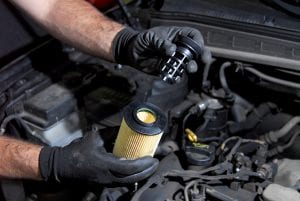
Commercial vehicle maintenance tends to focus on the big, visible jobs: tyres, brakes, oil changes and MOT prep. These are essential, but they’re also the items least likely to get missed, because they’re the ones every driver and workshop already has on their radar. It’s the smaller, easy-to-forget items that cause the most unplanned downtime for fleets, and many of them come down to filtration.
Here are the commercial vehicle maintenance items that get overlooked most often, why they matter and what happens when they’re left unchecked.
Why Commercial Vehicle Maintenance Gaps Are So Costly
For a private car, a missed maintenance item might mean an unexpected garage bill. For a commercial vehicle, it usually means a vehicle off the road, a missed delivery or contract, and a driver or technician’s time lost dealing with a problem that could have been picked up during a routine inspection. Building a thorough commercial vehicle maintenance checklist, and actually sticking to it, is one of the cheapest ways a fleet operator can protect uptime.
The items below are consistently the ones that slip through the gaps, whether that’s because they’re not part of a standard service schedule, they don’t have an obvious visual warning sign, or they’re simply assumed to last longer than they do.
Fuel Filters
Fuel filters protect the injectors and fuel pump from contamination, and on diesel commercial vehicles running high mileages, they work harder than most owners realise. A fuel filter that’s overdue for changing doesn’t always announce itself with a warning light. Instead, symptoms tend to build gradually: reduced power, rough idling or intermittent stalling, all of which are easy to put down to something else.
Left unchecked, a blocked or degraded fuel filter can allow contaminants through to injectors and pumps, turning a low-cost filter change into a much more expensive repair. Fuel filter intervals should be part of any commercial vehicle servicing schedule, not left until a fault appears.
Air Filters Under Heavy-Duty Conditions
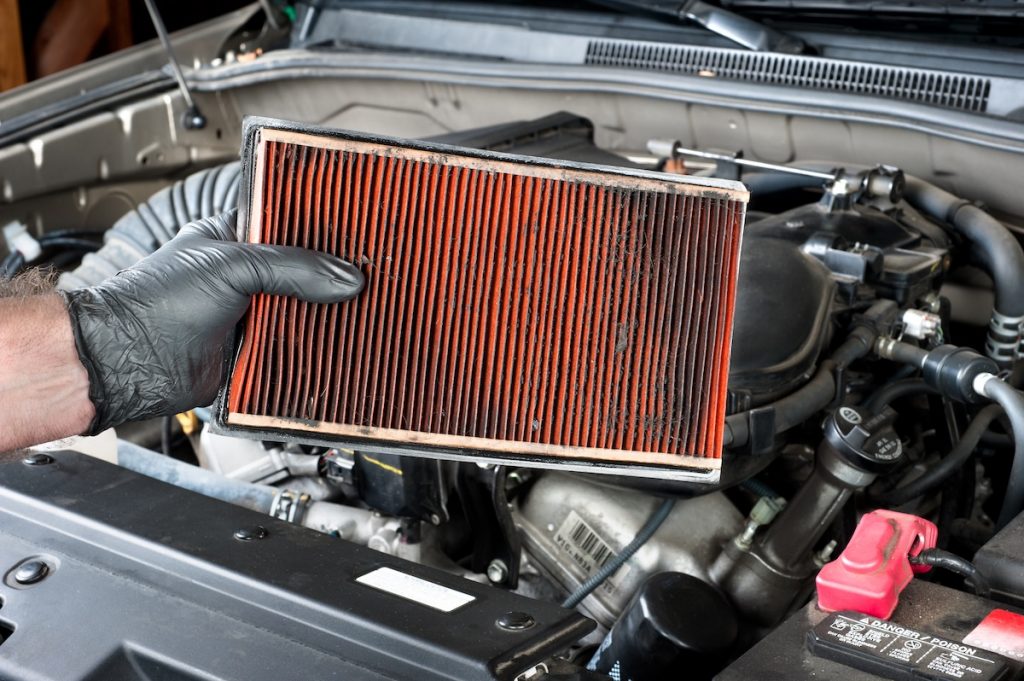
Engine air filters are a routine part of most service schedules, but commercial vehicles operating on construction sites, in agriculture or in dusty rural environments clog filters far faster than the standard interval assumes. A filter that’s fine for a vehicle doing motorway miles may need changing far more often for one working off-road or on a site.
A restricted air filter forces the engine to work harder, increasing fuel consumption and reducing performance. It’s worth adjusting air filter check intervals to match how and where a vehicle is actually used, rather than relying on a generic mileage-based schedule.
Cabin Air Filters
Cabin filters are one of the most commonly skipped items on a commercial vehicle inspection checklist, largely because they have no impact on how the vehicle drives. A clogged cabin filter won’t cause a breakdown, but it will reduce airflow, allow dust and pollen into the cab, and make the air conditioning and demisting systems work less effectively.
For drivers spending long hours in the cab, that’s a comfort and wellbeing issue as much as a mechanical one. Cabin filters are inexpensive to replace and should be checked at every service, not left until a driver complains about airflow or odour.
Coolant Condition and Coolant Filtration
Coolant is often topped up rather than properly checked, but coolant that’s old or contaminated loses its ability to protect against corrosion and doesn’t transfer heat as effectively. Over time, this contributes to scale build-up within the cooling system, which is a common but often overlooked cause of overheating on commercial vehicles doing stop-start or heavy-load work.
Where a vehicle’s cooling system includes coolant filtration, checking that filter alongside the coolant itself should be a standard part of any commercial vehicle maintenance routine, not an afterthought.
Fluid Levels Beyond the Basics
Engine oil gets checked as standard, but other fluids are easy to overlook: power steering fluid, brake fluid and, on vehicles fitted with AdBlue systems, the AdBlue level itself. Low AdBlue in particular can trigger reduced power modes or prevent a vehicle from starting altogether, causing exactly the kind of unplanned downtime a good maintenance checklist is meant to prevent.
Belt and Hose Condition
Drive belts and hoses degrade gradually rather than failing without warning, but because that degradation is often internal or hidden beneath other components, it’s easy to miss during a quick visual check. A cracked or perished belt failing on the road causes far more disruption, and often far more cost, than a scheduled replacement would.
Building These Checks Into a Maintenance Routine
None of these items are difficult or expensive to check individually. The challenge is making sure they’re actually built into a commercial vehicle maintenance checklist rather than relying on drivers to notice a problem before it’s addressed. A consistent servicing schedule that includes filtration, fluids and wearing components, not just the items that trigger a warning light, is the most effective way to keep a commercial fleet on the road and avoid costly, avoidable downtime.
At Filter Services (UK) Ltd, we supply the full range of filters commercial fleets rely on, including fuel, air, cabin and coolant filtration, with same-day availability for operators who can’t afford a vehicle standing idle.