


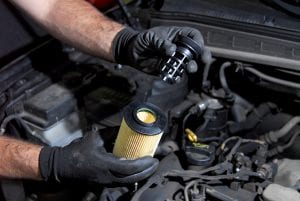
Microns might describe tiny particles that are invisible to the human eye, but when it comes to the health of your commercial vehicle, microns happen to be a very big deal indeed.
Specifically, we’re referring to the micron ratings which are found on the product descriptions of vehicle filters, whether that happens to be a fuel filter, oil filter or hydraulic filter.
To help you choose the right filter for your vehicle, the Filter Services team have put together this handy guide about micron ratings. We hope it will explain more about the different vehicle filters your fleet needs to keep up and running.
What Is A Micron Rating?
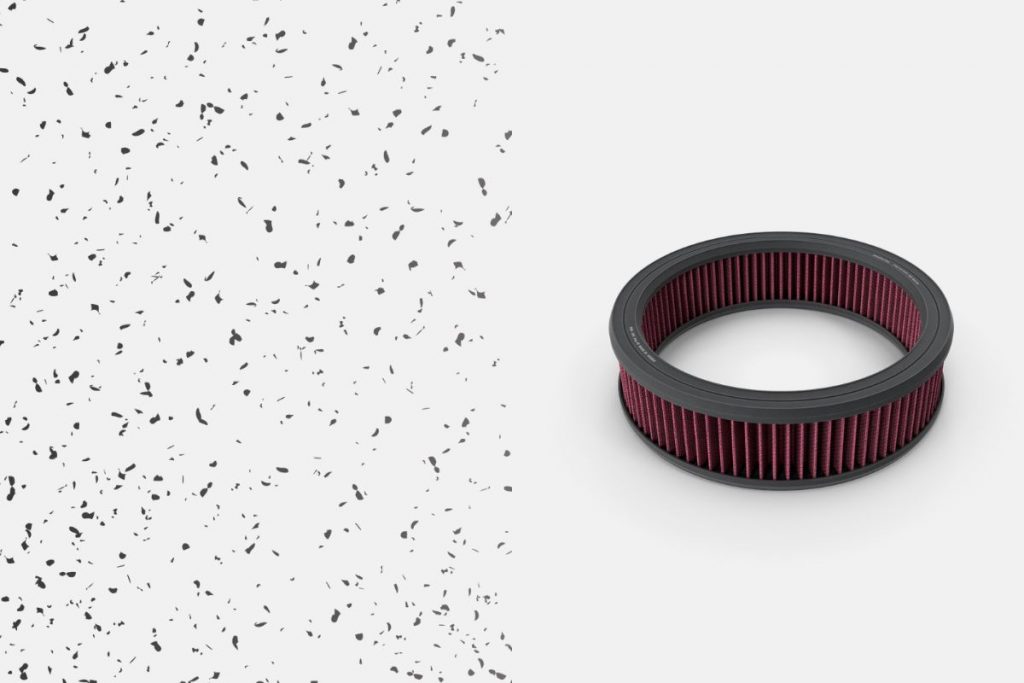
In filtration, the micron rating describes the size of the particles that the filter is designed to capture.
For context, a micron (µm) is one millionth of a metre.
The main thing you need to know about micron ratings is that the lower the micron rating, the finer the filtration will be.
For example, a 5 micron filter removes much smaller particles than a 25 micron filter. While smaller particles may seem insignificant, they can cause serious wear in modern engines and fuel systems.
Typical Micron Ratings By Vehicle Filter Type

Micron ratings apply to all types of vehicle filters. Therefore, knowing the level of filtration provided is important, whether it’s an air filter or a fuel filter.
However, the micron rating range for each filter type can differ.
So next, we’ll run through the typical parameters for each type of filter your vehicle needs.
Air Filters
Air filters prevent dust, soot, and airborne contaminants from entering the engine.
- 20-50µm: Coarse filtration for heavy duty or dusty environments
- 5-20µm: Standard filtration for most UK road conditions
- Below 5µm: Fine filtration for high performance or sensor sensitive engines
Many air filters use multi-layer or multi-stage media, combining coarse and fine filtration to maintain airflow while improving protection.
Fuel Filters (Diesel & Petrol)
Fuel filters are critical for protecting fuel injection systems, particularly in modern diesel engines.
- 30-60µm: Pre-filter stage to protect lift pumps
- 10-30µm: Main fuel filter for many diesel applications
- Below 10µm: Fine filtration for high pressure common rail systems
Modern diesel injectors operate at extremely high pressures and require much finer filtration than older systems.
Oil Filters
Oil filters remove wear particles and combustion contaminants from engine oil.
- 10-30µm nominal: Common in passenger cars and light commercial vehicles
- Below 10µm absolute: Heavy duty and high output diesel engines
Oil filter performance should be assessed using efficiency data rather than micron rating alone.
Hydraulic & Transmission Filters
Hydraulic systems are highly sensitive to contamination.
- 4-10µm: Fine hydraulic filtration
- 2-5µm: Critical applications requiring high cleanliness
- Above 10µm: Return line or low pressure filtration
Even very small particles can cause valve wear and system inefficiency.
Why Micron Ratings Matter for Commercial Vehicles

In UK commercial and industrial vehicle applications, the correct micron rating helps to:
- Protect sensitive components such as injectors, fuel pumps, turbochargers and valves
- Reduce engine wear and unplanned breakdowns
- Improve vehicle uptime and reliability
- Lower total cost of ownership across fleets
Using the wrong micron rating can result in excessive pressure drop, premature clogging, inadequate filtration or component failure.
Additional Micron Ratings Tips For UK Commercial Vehicles
While it’s true that micron ratings tell you a lot of information about the level of filtration provided, they are far from the only criteria to check when purchasing your next filter.
In particular, it’s key to match the micron rating to the application. That’s because fuel systems, hydraulic components and modern emissions equipment all require different filtration levels.
Looking beyond the micron number, you should also check aspects such as:
- Filtration efficiency data
- Beta ratios
- Pressure drop figures
- Dirt holding capacity
This is important as even if two filters have the same micron rating, they can perform very differently in real world conditions.
Balance Filtration And Service Intervals
Finer filtration can improve protection but may reduce service life if not properly specified.
Consider The Operating Environment
Vehicles operating on construction sites, agricultural land or urban routes face different contamination challenges. As we’ve just touched upon above, it’s essential to factor in the application when choosing a filter.
Filter Services UK – Keeping Your Vehicle Fleet On The Road
Hopefully, you’ve now got a much clearer idea about what micron ratings are and crucially, how they relate to your vehicle filter. For commercial fleets and industrial vehicles especially, selecting the right filter micron rating helps extend component life and reduces downtime.
Ready to buy your next commercial vehicle filter? At Filter Services you’ll find a wide range of vehicle filters such as air filters, fuel filters, hydraulic filters, pollen filters and much more.
Take a look around our website to make your purchase, or visit us in person at our Chesterfield, Leicester or Leeds branches.
Need help with your purchase? Please give us a call on 01246 802 822 to speak with our team, or send us a message and we’ll be with you shortly.