


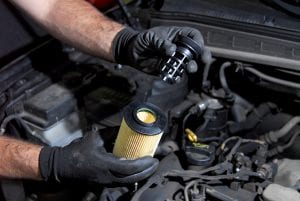
Once a vehicle is over three years old, it needs an MOT test to confirm it’s roadworthy. The MOT test covers a fixed set of safety and environmental checks.
A large share of MOT failures come down to the same small handful of avoidable issues each year. Faulty bulbs, worn tyres and windscreen damage among some of the most common failure reasons.
This guide covers everything checked during an MOT and what’s deliberately left out of the test. Plus, the surprisingly ways that the condition of your vehicle filters can affect the emissions and fuel system checks.
Legal Checks & General Vehicle Condition
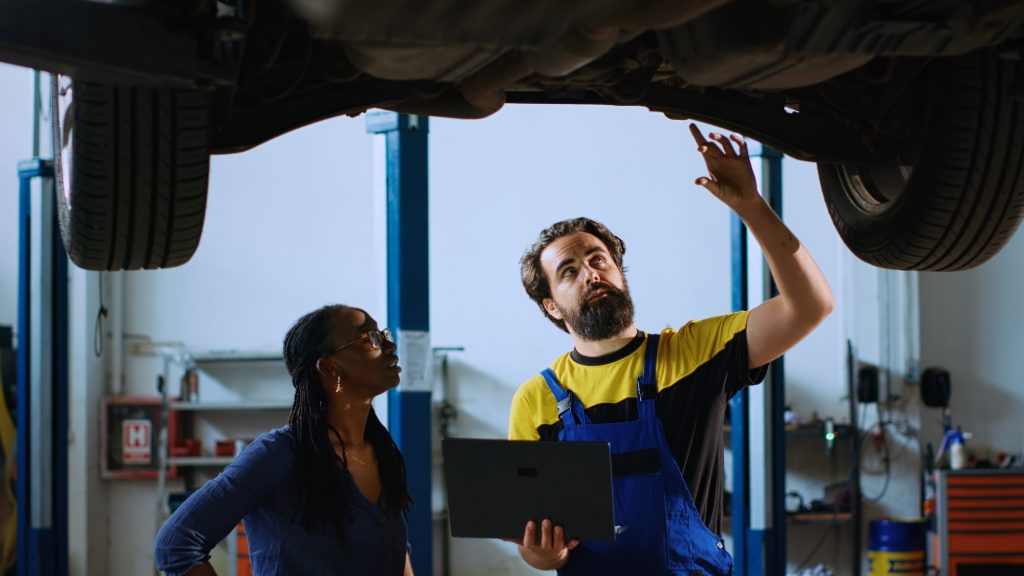
Before the tester looks at the vehicle itself, they’ll confirm the number plate meets UK spacing and font rules and is securely fitted, that the VIN is visible and that the MOT due date, insurance and tax are in order. They’ll then inspect the bodywork for sharp edges, major damage or rust near structural points.
Brakes
Brakes are one of the most safety-critical parts of the test. The tester checks the foot brake and handbrake, including pads, discs, drums, cables and hydraulic components, then uses a rolling road brake tester to confirm braking force meets the required standard across all wheels.
Exhaust And Emissions
The exhaust is inspected for leaks, damage and secure mounting. Emissions are tested against the standard for the vehicle’s age and fuel type: petrol vehicles are checked for hydrocarbons and carbon monoxide, diesel vehicles for exhaust smoke opacity. Since 2014, diesel vehicles are also checked for the presence of a diesel particulate filter (DPF) where one was fitted as standard and removing one is an automatic fail.
Fuel System
The fuel system is checked for leaks and for the condition of fuel caps, pipes and connections. Any sign of a fuel leak is an immediate fail on safety grounds.
Horn
A simple check, but a non-functioning horn is still a fail point. It needs to work and produce a continuous, loud enough sound.
Lights And Electrical Systems
Every exterior light is checked: headlights, tail lights, brake lights, indicators, hazards, fog lights and reversing lights. Each must work correctly, be properly aligned and be free of cracks or obstructions. A blown bulb or misaligned headlight is one of the most common and easiest to fix reasons for failure.
Seatbelts
Every seatbelt is checked for condition and correct operation, including fraying, webbing damage and whether buckles and retractors work as intended. A belt that fails to lock or retract properly results in a fail.
Steering And Suspension
The tester checks for excessive play or wear in the steering and inspects suspension components, including shock absorbers, springs and joints, for damage, corrosion and deterioration. Poor steering response or a vehicle pulling to one side are common warning signs ahead of a test.
Tyres And Wheels
All four tyres are checked for tread depth, condition and correct fitment. The legal minimum is 1.6mm across the central three-quarters of the tyre, though many recommend replacing before that point. The tester also checks for cuts, bulges and uneven wear and confirms matching tyre type and size across each axle.
Vehicle Identification
The VIN must be present and match the registration documents and the number plate must meet the correct font, spacing and legibility rules.
Windscreen And Visibility
The windscreen is checked for damage within the driver’s line of sight. A chip or crack larger than 10mm in the swept area directly ahead of the driver or 40mm anywhere else on the windscreen, results in a fail. Wipers and washers are also tested to confirm they clear the screen effectively.
What An MOT Doesn’t Check
The MOT is a roadworthiness and environmental test, not a full mechanical inspection and it’s worth knowing where the line sits:
- Engine, clutch and gearbox condition — the MOT tests emissions output, not the mechanical health of the engine or how well the clutch and gearbox are wearing.
- General service history — the MOT doesn’t check when a car was last serviced or whether routine maintenance, like oil and filter changes, has been kept up.
- Interior condition — cosmetic wear inside the car isn’t assessed unless it affects a safety item like a seatbelt or seat mounting.
- Bodywork condition beyond safety-affecting damage — dents, scratches and paintwork issues aren’t tested unless they involve sharp edges or structural rust.
This is exactly why a car can pass its MOT and still have problems worth addressing, particularly around filters and fluids, which the test doesn’t directly assess unless they cause a visible fault elsewhere.
Does A Dirty Or Worn Filter Affect Your MOT?
Filters themselves aren’t a named MOT test item, but the condition of a few key filters can directly influence checks that are:
- Air filter – a heavily clogged air filter can affect combustion efficiency, which can in turn push emissions readings closer to the fail threshold, particularly on the fast-idle emissions test.
- Fuel filter – a blocked or deteriorating fuel filter can affect fuel delivery and, in some cases, contribute to the kind of leaks or connection issues the fuel system check looks for.
- Diesel particulate filter (DPF) – this is the one filter that’s explicitly part of the test. Testers confirm a DPF is fitted where the vehicle was built with one and a missing or removed DPF is an automatic fail.
- Cabin filter – not an MOT item on its own, but a blocked cabin filter can affect demisting performance, which matters for the visibility checks around the windscreen and wipers.
Keeping these in good condition won’t guarantee a pass on its own, but it removes one more variable before the test. Browse our range of air, fuel and oil filters if any of these are due for a change.
MOT FAQs
What is the most common fail on an MOT?
Lighting and electrical faults are consistently among the most common reasons cars fail, often something as simple as a blown bulb or a misaligned headlight. Tyre condition and windscreen damage are also frequent, avoidable fail points.
What are the new MOT rules in 2026?
The core MOT test itself hasn’t changed: there’s no new test frequency and no additional checks for most drivers. From January 2026, the DVSA introduced stricter rules for MOT testers and Authorised Examiner Principals, including longer bans from MOT-related roles following serious disciplinary action, along with tighter equipment and oversight standards. Electric and hybrid vehicles are also seeing more detailed checks of high-voltage wiring and battery warning systems as part of the test’s ongoing update for newer vehicle types.
What would fail an MOT test?
Common examples include worn tyres below 1.6mm tread, non-functioning lights, a cracked windscreen within the driver’s line of sight, a fuel leak, a seatbelt that doesn’t retract properly or emissions readings outside the legal limit for the vehicle’s fuel type.
Do you need a full tank of petrol for an MOT?
You don’t need a full tank, but you do need enough fuel for the emissions test to run properly, typically a quarter tank is considered a safe minimum. Running on close to empty risks the test being unable to complete.
Filter Services – Discover Our Vehicle Filters & Accessories
There’s a lot to think about before an MOT and the quality of your vehicle’s filters is one aspect that can quietly affect the outcome, from engine performance to emissions and fuel efficiency.
If you need filters ahead of your next MOT, head over to our filters page to view our available stock.