


If your car is overheating, knowing what to do is vital for staying safe and avoiding serious engine damage.
All engines get hot to a degree due to the internal combustion process. However, various issues can result in the engine getting hotter than expected to the point where the engine overheats.
Few things are more alarming than seeing your temperature gauge creeping into the red. The good news is that most situations are manageable if you know what to do.
Here’s a straightforward guide for UK drivers from the Filter Services team.
How to Tell If Your Car Is Overheating
Your car will usually give you warning signs before things get critical. Keep an eye out for:
- The temperature gauge moving into the red or towards “H”
- A warning light appearing on your dashboard (often a thermometer symbol)
- Steam or smoke rising from under the bonnet
- A sweet or unusual burning smell
- The engine feeling sluggish or losing power
Don’t ignore these signs. Even a few minutes of driving an overheated engine can warp cylinder heads or cause irreparable damage.
What To Do Immediately
If you notice any of the above, act quickly and calmly.
1. Turn off the air conditioning: The AC puts extra load on the engine. Switching it off straight away can help reduce the strain and buy you a little time.
2. Turn the heater on full blast: It sounds counterintuitive, but turning the heater on maximum heat and fan speed draws warmth away from the engine and into the cabin. It won’t fix the problem, but it can help prevent things from getting worse while you find somewhere safe to stop.
3. Pull over as soon as it’s safe to do so: Don’t keep driving and hope for the best. Find a safe place to stop, such as a lay-by, car park or the hard shoulder of a motorway if necessary, and switch off the engine.
4. Call for help if you need it: If you’re on a motorway, on a busy road or in any doubt, call your breakdown provider straight away. Don’t attempt roadside repairs in an unsafe location.
Once You’ve Stopped Safely
With the engine off and the car in a safe spot, here’s what to do next:
- Leave the bonnet closed for at least 15 to 20 minutes. The engine needs time to cool down. Opening it too soon risks a face full of steam.
- Do not open the coolant reservoir cap while the engine is hot. The system is pressurised and can release scalding fluid. Wait until everything has cooled completely.
- Check for visible leaks once cool. Look underneath the car for puddles of coolant (usually bright green, pink or orange) and inspect hoses for cracks or splits.
- Check the coolant level. Once the engine is fully cool, carefully open the reservoir cap and check whether the coolant level is low. If it is, you can top it up with the correct type of coolant or with water as a temporary measure to get you to a garage.
Common Causes of Overheating

Understanding what caused the problem will help prevent it happening again. The most common culprits include:
- A coolant leak (from a cracked hose, faulty radiator or a blown head gasket)
- Low coolant level due to a slow leak or not being topped up
- A faulty thermostat that isn’t regulating engine temperature properly
- A broken water pump not circulating coolant around the system
- A blocked or damaged radiator restricting airflow
- A broken or slipping fan belt
Some of these are straightforward fixes. Others, such as a blown head gasket, can be expensive, which is why catching the warning signs early matters so much.
When You Should Not Drive the Car
Once an engine has overheated, it’s tempting to wait for it to cool and carry on. In some cases that’s fine, but you should not drive on if:
- There are visible coolant leaks with no way to top up
- The temperature gauge goes straight back into the red after setting off
- You can see damage to hoses or the radiator
- The car is making knocking or unusual noises after the engine cooled
- You suspect a blown head gasket (signs include white smoke from the exhaust, oil that looks milky or a loss of power)
In these situations, the car needs to go to a garage, not back on the road.
How to Prevent Overheating
A bit of routine maintenance goes a long way:
- Check your coolant level regularly, especially before long journeys
- Have the cooling system inspected as part of your annual service
- Keep an eye on your temperature gauge during warm weather or heavy motorway driving
- Replace coolant according to your manufacturer’s schedule (usually every two to five years)
- Check hoses and belts for signs of wear when you have the bonnet up
Most overheating incidents are preventable. A quick check before a long trip takes minutes and can save you a breakdown on the M1.
What To Keep in Your Car
Being prepared makes all the difference. It’s worth keeping the following in your boot:
- A bottle of pre-mixed coolant or distilled water
- A pair of gloves and a cloth (for handling hot components safely)
- A torch for inspecting under the bonnet in the dark
- Your breakdown provider’s number saved in your phone
If in doubt, call a professional. An overheated engine is one of those situations where getting proper help quickly will nearly always cost you less in the long run than trying to push on and hoping for the best.
Preventing Engine Overheating
Most overheating incidents are avoidable. A little routine maintenance and a few good habits behind the wheel are usually all it takes to keep your engine running at the right temperature.
Stay on top of your coolant: Check the level at least once a month and before any long journey. When the engine is cold, the coolant should sit between the MIN and MAX markers on the reservoir. Top up with the correct type for your vehicle (check your owner’s manual) and have the coolant flushed and replaced every two to five years as it degrades over time.
Inspect hoses and connections: The rubber hoses that carry coolant around the engine deteriorate with age. When you have the bonnet up, look for cracks, splits, bulges or any dried residue around joints that might suggest a slow leak. A split hose can empty your cooling system quickly, so replacing worn ones early is well worth it.
Keep the radiator clear: Leaves, insects and road debris can build up on the front of the radiator and restrict airflow. A gentle rinse with a garden hose every now and then is enough to keep it clear. If your car tends to run warm in slow traffic or on hot days, it’s worth having the radiator inspected internally too.
Watch the temperature gauge: Get into the habit of glancing at it, particularly in slow-moving traffic, on long motorway runs or when towing. If the needle starts creeping up and doesn’t settle back to its normal position, take it seriously before it becomes a problem.
Book a full annual service: A trained mechanic will check the cooling system as a matter of course, including the thermostat and water pump, two components that can cause rapid overheating when they fail. Catching wear early is far cheaper than repairing a damaged engine.
Can Vehicle Filters Affect Engine Temperature?

The condition of vehicle filters can impact the engine temperature and this is something that many drivers in the UK commonly overlook.
Filters don’t directly regulate engine temperature. However, when they become clogged or overdue for a change they can contribute to conditions that cause the engine to run hotter than it should.
Air filters: A blocked air filter restricts the flow of air into the engine, forcing it to work harder to maintain performance. That extra strain generates more heat. A clean air filter is a small thing but it makes a measurable difference to how efficiently the engine runs. Most manufacturers recommend replacing it every 12,000 to 15,000 miles, though this varies depending on driving conditions.
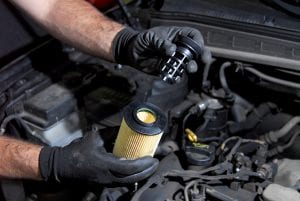
Oil filters: Engine oil does more than lubricate moving parts. It also carries heat away from components that coolant can’t easily reach. A clogged oil filter can trigger the filter’s bypass valve, meaning unfiltered oil circulates through the engine. Degraded or contaminated oil loses its ability to manage heat effectively, which adds to the load on the cooling system. Replacing the oil filter at every oil change is non-negotiable.
Cabin filters: This one has an indirect effect. A blocked cabin filter makes the air conditioning system work harder to push air through. Since the AC puts additional load on the engine, anything that strains the system further can nudge temperatures upward on a warm day or in slow traffic. It’s a minor factor compared to the others, but worth keeping in mind.
In short, a well maintained engine runs cooler. Filters are a cheap and easy part of that picture, and letting them go overdue quietly increases the strain on everything else.
Protect Your Vehicle Health By Replacing Your Vehicle Filters.
As noted above, vehicle filters can contribute towards the problem of your car overheating. So, alongside all of the other steps we’ve mentioned to maintain your vehicle, replacing the filters in your vehicle should be a priority, especially if a replacement is long overdue.
At Filter Services, we stock a wide range of vehicle filters on our website. Select the vehicle filter brands and models you need and get UK nationwide delivery on your order.
Or, visit us in person at our Chesterfield, Leicester or Leeds branches.
For any advice about the vehicle filters we stock, please call us on 01246 802 822 or send us a message and we’ll be in touch shortly.