


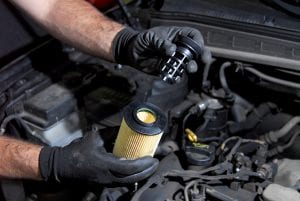
For most drivers, the fuel filter is one of those components that rarely crosses their mind. In reality, fuel filters play a vital role in keeping a modern vehicle running cleanly and efficiently.
Sitting quietly within the fuel system, this relatively small part is responsible for ensuring that the petrol or diesel reaching your engine is free from contaminants that could cause significant damage over time.
Understanding what a fuel filter does and why maintaining it matters can help drivers make better decisions about vehicle servicing. It can also help avoid costly repairs down the line.
Understanding The Purpose Of Your Fuel Filter

The fuel filter’s primary job is to remove impurities from the fuel before it reaches the engine.
Petrol and diesel can contain microscopic particles of dirt, rust and sediment. This debris can be introduced during refining and storage. It can also build up in the fuel tank itself as it ages.
Left unfiltered, these contaminants can clog fuel injectors, damage fuel pumps and cause uneven combustion. The fuel filter acts as the last line of defence, trapping these particles and allowing only clean fuel to pass through to the engine.
Modern vehicles typically use one of two filter types. This is either an inline filter positioned along the fuel line or a filter integrated directly into the fuel pump assembly inside the tank. Diesel vehicles often feature additional water separators within the filter housing, as water contamination is a particularly common issue with diesel fuel and can cause serious injector damage if not removed.
How Fuel Filters Improve Engine Efficiency
A clean fuel filter directly supports engine efficiency in several ways. When fuel flows freely and without contamination, the engine’s fuel injection system can operate as designed. That is, delivering precise amounts of fuel at the right pressure and timing. This leads to more complete combustion, better fuel economy and lower emissions.
However, a clogged or degraded fuel filter restricts fuel flow, causing the fuel pump to work harder to compensate. This places unnecessary strain on the pump, increases fuel consumption and can result in symptoms such as engine hesitation, poor acceleration, rough idling and difficulty starting. In more serious cases, sustained fuel starvation can cause the engine to cut out entirely.
For drivers noticing a drop in miles per gallon, a sluggish throttle response or irregular engine behaviour, a blocked fuel filter is often among the first things a competent mechanic will investigate.
Fuel Filters And Modern Fuel Injection Systems
The precision demands of modern fuel injection systems make clean fuel more important than ever. Direct injection engines, in particular, operate at extremely high fuel pressures and rely on tightly toleranced injector nozzles to deliver fuel in finely atomised sprays.
Even small particles that might have passed through older carburettor systems without consequence can cause partial blockages or accelerated wear in today’s high-performance injectors.
Turbocharged engines add another layer of sensitivity. The combination of high boost pressures and elevated temperatures means that any disruption to consistent fuel delivery can have a disproportionate effect on performance and longevity.
Therefore, a well maintained fuel filter is an important safeguard for the significant engineering investment that modern engines represent.
How Often Should A Fuel Filter Be Replaced?
Replacement intervals vary depending on the vehicle, fuel type and manufacturer recommendations.
However, as a general guide, many petrol vehicles benefit from fuel filter replacement every 20,000 to 30,000 miles, while some manufacturers specify longer intervals or design filters intended to last the lifetime of the vehicle.
Diesel vehicles, particularly those used in urban stop-start driving or that regularly use lower-quality fuel, may require more frequent attention.
It is always advisable to consult the vehicle’s service schedule and follow manufacturer guidance. If the filter is integrated into the fuel pump assembly, replacement is a more involved job. It’s typically carried out by a trained technician, as it requires dropping the fuel tank.
The Cost Of Neglecting Your Vehicle’s Fuel Filter
Neglecting fuel filter maintenance is a false economy. A replacement filter is relatively inexpensive and the labour involved in fitting one is modest compared to the cost of replacing a failed fuel pump or a set of damaged injectors.
In worst case scenarios, contaminated fuel reaching a direct injection engine can result in repair bills running into the thousands of pounds.
Regular vehicle servicing that includes fuel filter checks is one of the simplest and most cost-effective ways to protect engine health and maintain fuel efficiency. It’s also important for reducing the likelihood of unexpected breakdowns.
Purchase Vehicle Filters From Filter Services UK
Now you know the importance of fuel filters, including improving the efficiency of your car, is it time that your fuel filter was replaced?
At Filter Services UK, you will find all of the leading fuel filter brands and types for your car or commercial vehicle.
Shop on our website to order the fuel filter you need. Or, visit our branches in person located in Chesterfield, Leicester or Leeds.
For any help in buying a fuel filter please call us on 01246 802 822 or send us a message and we’ll be in touch shortly.