


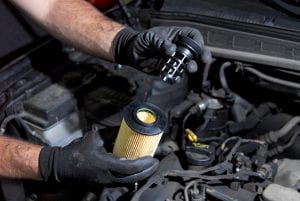
An interim service is a lighter car service carried out between full services, usually every six months or 6,000 miles. It covers an oil and filter change, fluid top-ups and a set of safety checks on the parts that wear fastest. It suits drivers who cover high mileage, tow, make lots of short trips or drive for work, because their cars wear faster than an annual service allows for.
This guide explains what an interim service includes, how it compares with a full or major service, what it costs and where vehicle filters fit into each one.
Interim service breakdown

An interim service is the first of the three service levels most UK garages offer: interim, full and major. Its purpose is to keep the engine protected and catch developing problems before they turn into breakdowns or MOT failures.
An interim service is not a replacement for your manufacturer’s service schedule. It sits between your annual full services. Most drivers book one six months after a full service or at 6,000 miles, whichever comes first.
What does an interim service include?
Interim service checklists vary between garages, so always ask for a written list before you book. A typical interim service checklist includes:
- Engine oil change. Old oil is drained and replaced with the grade your manufacturer specifies.
- Oil filter replacement. A new oil filter is fitted with every oil change.
- Fluid top-ups. Coolant, brake fluid, power steering fluid and screenwash are checked and topped up.
- Lights and electrics. All exterior lights, the horn and dashboard warning lights are tested.
- Tyres. Tread depth, condition and pressures are checked, including the spare where fitted.
- Brakes. A visual check of pads, discs and brake lines.
- Wipers and washers. Blades and jets are checked for wear and aim.
- Battery. Terminals and condition are inspected.
- Exhaust, steering and suspension. A visual check for leaks, damage and wear.
An interim service usually takes one to two hours, so many drivers wait at the garage or drop the car off for a morning.
Interim service vs full service: what is the difference?
The main difference between an interim and full service is depth. An interim service focuses on oil, filters and essential safety checks. A full service covers everything in an interim service plus a longer list of inspections and replacements.
A full service is recommended every 12 months or 12,000 miles. As well as the interim checks, it typically includes:
- an air filter replacement
- a closer inspection of brakes, including removing wheels where needed
- checks on wheel bearings, shock absorbers and the cooling system
- a check of drive belts and hoses
- a road test
- on some cars, a fuel filter replacement or new spark plugs, depending on age and mileage
A full service takes around three hours. If you only cover a few thousand miles a year, a full service every 12 months is usually enough. If you cover more, adding an interim service in between helps protect the engine from worn-out oil and blocked filters.
Full service vs major service
A major service is usually carried out every 24 months or 24,000 miles. It covers everything in a full service and adds parts that wear more slowly, such as:
- a fuel filter replacement, particularly on diesels
- a pollen or cabin filter replacement
- new spark plugs on petrol engines
- a brake fluid change
Some manufacturers also schedule timing belt changes around the same interval, although these are often priced separately.
How vehicle filters fit into each service
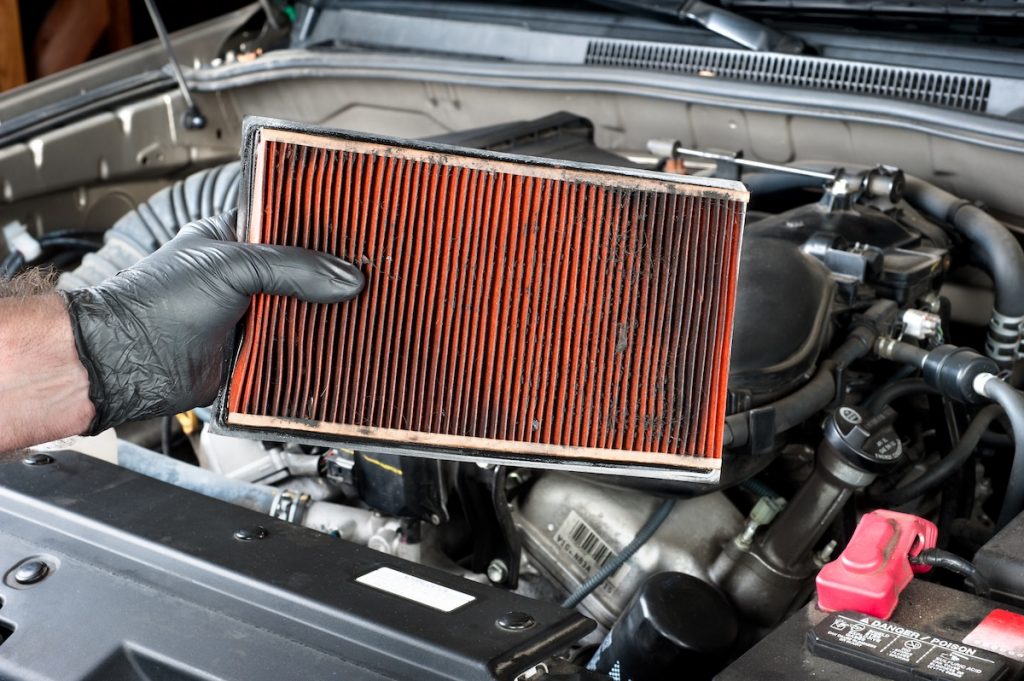
Filters are at the heart of every service level. They protect your engine, fuel system and cabin from dirt, debris and contaminants. When they clog, performance drops and wear speeds up.
Oil filter
The oil filter traps metal particles, carbon and dirt so they cannot circulate through the engine. It is replaced at every service, interim included. Fitting new oil with an old filter means the fresh oil is contaminated almost straight away. Our guide on how an oil filter works explains the process in more detail.
Air filter
The air filter stops dust and debris entering the engine. A blocked air filter restricts airflow, which can reduce power, increase fuel use and upset engine sensors. Air filter replacement is normally part of a full service. If you drive on dusty roads or rural lanes, it may need changing sooner. Find out whether a dirty air filter can damage your car engine.
Fuel filter
The fuel filter removes dirt, rust and water from fuel before it reaches the injectors. Fuel filter replacement is usually part of a full or major service, depending on the vehicle. Diesel engines are especially sensitive to contaminated fuel, so their filters often need changing more often.
Cabin or pollen filter
The cabin filter cleans the air coming into the car through the heating and ventilation system. It traps pollen, dust and exhaust particles. Cabin filter replacement is often part of a major service, although many manufacturers recommend an annual change. Our guide on how a cabin air filter works covers the signs it needs replacing.
Not every filter is made to the same standard. Filters are rated by the size of particle they can trap, which is worth checking when you buy replacements. Our article on micron ratings for vehicle filters explains what the numbers mean.
How often should you service your car?
Your manufacturer’s service schedule is the best guide. You will find it in the handbook or service book. As a general rule:
- Interim service: every 6 months or 6,000 miles
- Full service: every 12 months or 12,000 miles
- Major service: every 24 months or 24,000 miles
Many newer cars use variable servicing, where the car tells you when a service is due based on how it is driven. If your car does this, follow the dashboard reminder.
An interim service is most worthwhile if you:
- cover more than 12,000 miles a year
- make lots of short journeys, which are harder on engine oil
- tow a caravan or trailer
- drive a van or fleet vehicle that works hard every day
For fleet operators, regular interim services also help avoid costly downtime. Our guide to the most overlooked maintenance items in commercial vehicles covers what to add to your checks.
How much is an interim service?
Interim service cost depends on your car’s make, model, engine size and oil type, as well as where you live and which garage you use. Based on recent UK booking data, an interim service typically costs between about £90 and £260, with an average of around £150. A full service averages around £230 and a major service around £310.
Main dealers usually charge more than independent garages. An independent garage can service a car under warranty without affecting it, as long as it follows the manufacturer’s schedule and uses parts of matching quality.
Is an interim service the same as an MOT?
No. An MOT is a legal test of whether your car meets minimum safety and environmental standards. It does not include any maintenance such as an oil change. A service keeps the car in good condition and reduces the chance of failing the MOT. Many drivers book both at the same time. See what is checked on an MOT to know what the tester looks at.
Interim service FAQs
Is an interim service worth it?
For high-mileage drivers, yes. Fresh oil and a new oil filter every six months reduce engine wear. The extra checks also catch worn tyres, brakes and lights early, which often saves money on repairs.
Do I need a full service every year?
Most manufacturers recommend a full service every 12 months or 12,000 miles, even if you have had an interim service in between. Skipping it can leave air and fuel filters unchanged for too long.
Does an interim service include an oil filter change?
Yes. A new oil filter should be fitted at every interim service alongside the oil change.
Can an interim service clear a warning light?
Not on its own. If a warning light is on, the fault needs diagnosing first. Our guide to the engine management light explains what to do.
Do electric cars need an interim service?
lectric cars have no engine oil, oil filter or fuel filter, so they need fewer services. They still need tyre, brake, suspension and cabin filter checks.
Keep your vehicle protected with Filter Services
Whether you service your own car or run a fleet, the right filters make every service count. Filter Services supplies quality replacement filters from leading manufacturers for cars, vans, HGVs, agricultural machinery and plant. Our range covers oil filters, car filters and automotive consumables for every service interval. You can buy filters online or visit one of our branches. Not sure which filter you need? Contact our team for expert advice.