


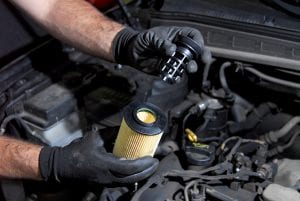
An air cabin filter is an essential component in any vehicle’s heating and cooling system.
Also known as a pollen filter, an air cabin filter removes airborne contaminants including pollen, dust, bacteria and exhaust particles from the air entering the passenger compartment. In doing so, it helps protect the passengers from contaminants in the air they breathe meaning they won’t be exposed to chemicals or toxins.
If you are new to what cabin filters are and how they work, you’ll find a simple guide below brought to you by the Filter Services UK team.
What Is A Cabin Air Filter?
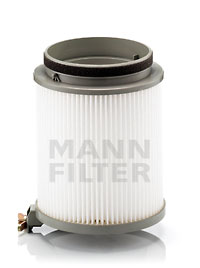
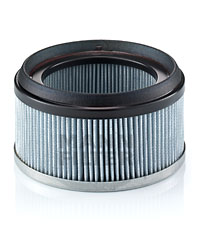
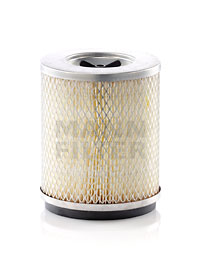
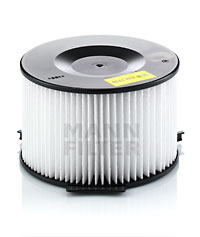
The cabin air filter in a vehicle helps remove harmful pollutants, including pollen and dust, from the air within a car, lorry or any other vehicle type. This filter is often found behind the glovebox and cleans the air as it moves through the vehicle’s HVAC system. These filters need replacing if there are any unpleasant odours or the airflow has decreased.
What Does A Cabin Air Filter Do?
Cabin filters perform three main functions:
1 – They block particulate matter such as pollen, dust, soot and road debris from entering the vehicle interior.
2 – In activated carbon variants, they absorb odours and harmful gases such as ozone and nitrogen dioxide.
3 – They protect the blower motor and evaporator from becoming clogged with debris over time, which can reduce the efficiency of the air conditioning system and lead to costly repairs if left unaddressed.
Are All Cabin Air Filters The Same?
No, cabin air filters vary significantly depending on vehicle make, model and filtration type. There are two main categories: particulate filters, which trap dust, pollen and debris, and activated carbon filters, which also absorb odours and harmful gases such as exhaust fumes. Micron ratings differ too, with some filters capturing particles as small as 0.3 microns, offering far better protection for allergy sufferers or drivers in polluted areas.
Size and shape are vehicle-specific, so a filter designed for one model will rarely fit another. Replacement intervals can also vary, typically between 12,000 and 15,000 miles, though driving conditions affect this.
Choosing the correct cabin air filter for your vehicle ensures optimal air quality and protects your HVAC system, so always check compatibility before buying.
When Should You Replace A Cabin Air Filter?
As a general guide, cabin air filters should be replaced every 10,000 to 15,000 miles or at each preventative maintenance schedule, whichever comes sooner. In practice, vehicles used in urban environments, on dusty roads or during high-pollen seasons may need more frequent changes.
Signs that a replacement is overdue include reduced airflow from the vents, musty or unpleasant smells when the heating or air conditioning is running, and increased noise from the blower motor.
How To Change A Cabin Air Filter
Changing a cabin air filter is a straightforward job that most drivers can complete in under 15 minutes without specialist tools.
Start by locating the filter housing, usually found behind the glovebox, though some vehicles house it under the bonnet near the windscreen base. Remove the glovebox or housing cover, following the specific release clips or screws for your model. Slide out the old filter, noting the airflow direction arrows printed on its frame. Insert the new filter in the same orientation, then refit the housing cover and glovebox securely.
Always check your vehicle handbook for exact filter location and part number, since cabin air filters are not universal. If you’re unsure at any stage, a garage or filter specialist can carry out the replacement quickly and correctly, ensuring your climate control system continues performing as it should.
Where Is A Cabin Air Filter Located?
The cabin air filter is usually found in one of two places, depending on the vehicle. Most commonly, it sits behind the glovebox, accessible by removing the glovebox itself or a small housing cover behind it. Some models instead house the filter under the bonnet, near the base of the windscreen, close to the air intake for the climate control system.
The exact location varies between makes and models, so checking your vehicle handbook is the quickest way to confirm where yours sits and which part number to buy. As a rough guide, if your glovebox has a small access panel or clips on its underside, that’s usually the giveaway sign the filter sits behind it.
As noted above, if you can’t locate it or aren’t confident removing any panels, a garage or filter specialist can identify and replace it quickly, without risk of damaging surrounding trim.
How Often To Change Pollen Filter?
Most manufacturers recommend changing a pollen filter every 12,000 to 15,000 miles, or roughly once a year, though this varies by vehicle and driving conditions. Drivers who regularly travel on dusty roads, through heavy traffic or in areas with high pollen counts may need to replace theirs more frequently, sometimes every six months. Signs that a pollen filter needs changing include reduced airflow from the vents, musty or unpleasant odours, and increased fogging on the windscreen.
Checking your vehicle handbook will confirm the manufacturer’s recommended interval and exact filter part number, since this differs between makes and models. Replacing a pollen filter is inexpensive compared to the wider benefits, including cleaner cabin air and reduced strain on the climate control system. If in doubt, a garage or filter specialist can inspect the filter’s condition and advise whether it needs replacing sooner.
What Happens If You Don’t Change The Cabin Air Filter?
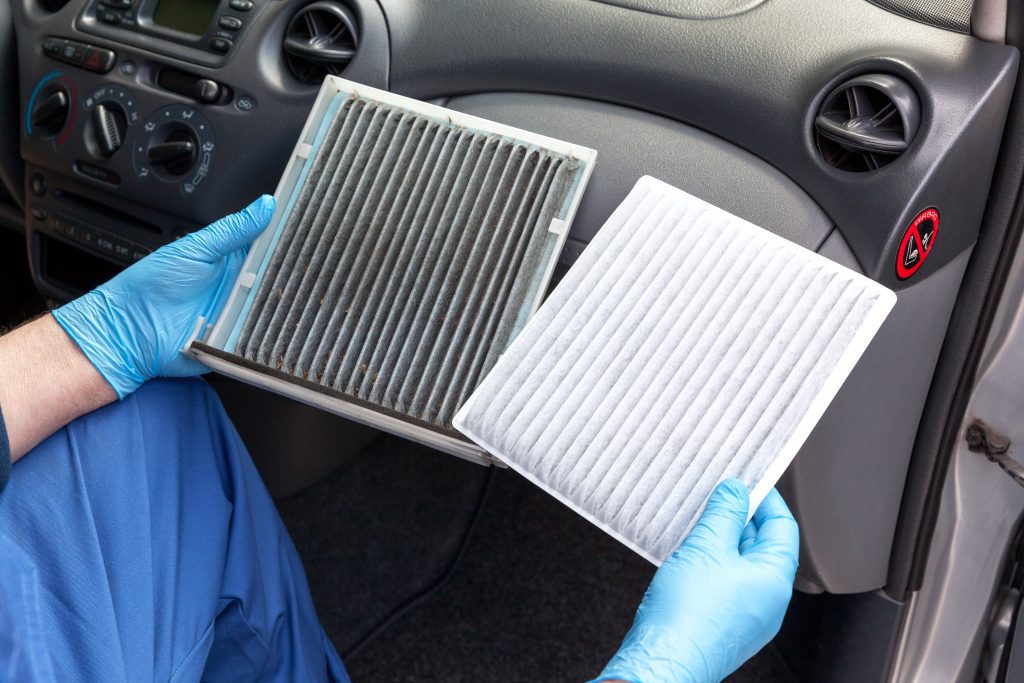
If you don’t change your cabin air filter, the filter media becomes progressively clogged with the particles it has been capturing including pollen, dust, soot and debris. Eventually, this will reduce its ability to function effectively. The consequences build gradually but can affect both the vehicle and its occupants.
The most immediate effect is reduced airflow through the ventilation system. A blocked filter restricts the volume of air the blower motor can push through, meaning the heating and air conditioning become less effective. In warmer months this can make the cabin uncomfortable; in winter it affects demisting performance, which has safety implications.
A clogged filter also becomes a source of unpleasant odours. Accumulated organic matter such as damp leaves, pollen and insects can begin to degrade inside the filter housing, and the smell is drawn into the cabin whenever the ventilation is running.
Over time, a severely blocked filter puts additional strain on the blower motor. The motor has to work harder to pull air through a restricted medium, which can shorten its lifespan and lead to an expensive repair that a routine filter change would have prevented.
For occupants with allergies, asthma or respiratory sensitivities, the air quality consequences are the most significant concern. A saturated filter loses its ability to trap new particles and may even begin to release previously captured contaminants back into the airstream, worsening in-cabin air quality rather than improving it.
Cabin Air Filter Replacement | Filter Services
Filter services supply a huge selection of both air filters and cabin filters for domestic and commercial use to customers across the UK.
Manufactured from a range of highly valued brands, our filters are of high quality and can fit and be replaced in no time, used for a number of different vehicle types and industries including construction, car filters, lorries, agriculture, tractors, energy, mining and more.
Buy automotive filters from Filter Services Today. We stock over 5000 parts and automotive consumables at any one time so we’ve probably got what you need. If not, we’ll order it for you. With next-day and even same-day delivery available, we’re here to help you.
Get in touch with the team and we’ll find the right solution in seconds.