


Electric and hybrid vehicles now make up a growing share of the cars on UK roads. It’s this change which is shifting what “filtration” means for drivers and technicians alike.
There’s no engine oil to filter in a fully electric car, but that doesn’t mean filtration has become less important. If anything, some filters are working harder than ever, and new categories of filtration are appearing that didn’t exist in combustion-only vehicles.
Here’s what’s changing, why it matters and what drivers should be keeping an eye on as the UK’s fleet continues to electrify.
Why Filtration Still Matters in Electric and Hybrid Vehicles
It’s a common misconception that electric vehicles need little to no filtration. In reality, an EV still relies on several filtration systems; they’re just doing different jobs than the oil and fuel filters found in a petrol or diesel engine. Cabin air filtration, coolant filtration for the battery and electronics, and even brake system components all still need regular attention.
Hybrids, meanwhile, sit in between. They combine a conventional combustion engine (with all the filtration needs that come with it) with an electric drivetrain and battery pack, meaning owners effectively need to think about both worlds at once.
Cabin Air Filtration Is Becoming More Important, Not Less
One of the clearest trends is the growing focus on cabin air quality. Electric motors run near silently and produce none of the exhaust fumes that used to mask cabin odours, so any smell from a clogged or dirty cabin filter becomes far more noticeable to occupants. Manufacturers have responded by fitting finer, multi-layer cabin filters as standard, often combining a particulate layer with activated carbon to deal with fine dust, pollen and traffic pollution.
This is especially relevant for city and commuter driving, where fine particulate matter from road dust and tyre wear can build up quickly. Regular cabin filter changes remain one of the simplest ways to protect air quality inside an EV or hybrid, and regular HVAC system upkeep plays a part too, especially given how much more these systems are relied on for battery and cabin temperature control.
Hybrid Vehicles Still Need Traditional Engine Filtration
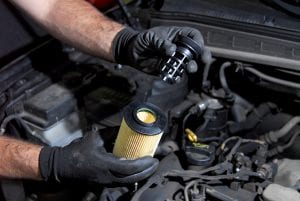
Because hybrids still run a petrol or diesel engine for part of the time, they need the same core filtration as a conventional car: oil filters, fuel filters and engine air filters. The catch is that hybrid engines often run in shorter, more intermittent bursts, particularly in stop-start city driving, which can affect how oil and fuel degrade over time and how often filters should be checked.
Drivers switching to a hybrid for the first time sometimes assume servicing needs drop off because the engine runs less. It’s worth checking the specific signs your engine oil needs changing before assuming a hybrid needs less attention than a standard petrol or diesel car.
Battery Thermal Management and Coolant Filtration
One filtration category that’s entirely new to electric vehicles is coolant filtration for battery thermal management. EV battery packs need to stay within a fairly narrow temperature range to perform safely and efficiently, particularly during hot weather, and that’s managed by a liquid cooling loop similar in principle to an engine cooling system. Keeping that coolant clean matters just as much as keeping engine coolant clean does in a combustion car, and it’s an area we expect to see more standardised filtration and maintenance guidance around in the coming years.
Fine Particulate Standards Are Driving Filter Design
Regulatory pressure around air quality, including tightening standards for particulate emissions, is pushing filter manufacturers towards finer filtration media across the board. Understanding micron ratings is becoming more relevant to everyday drivers as a result, not just fleet buyers. For EVs and hybrids specifically, this shows up most in cabin filtration, where multi-stage filters capturing PM2.5-level particles are becoming the norm rather than a premium option. Expect this trend to continue as awareness of in-cabin air quality grows alongside outdoor air quality concerns.
What This Means for Maintenance and MOT Checks
Filtration doesn’t currently form a major part of the MOT test itself, but a well-maintained filtration system, particularly cabin air filtration, supports the broader checks carried out during an MOT, such as visibility and windscreen demisting performance. If you’re due an MOT soon, it’s worth reviewing what’s actually checked during the test so filtration issues don’t catch you out alongside the more obvious mechanical points.
Keeping Up with a Changing Filtration Landscape
As the cars on UK roads become more electrified, filtration is evolving rather than disappearing. Cabin air quality has moved from an afterthought to a genuine design priority; hybrid owners still need to manage traditional engine filtration alongside their electric systems, and entirely new categories like battery coolant filtration are emerging. Staying on top of the right filters, whatever’s under the bonnet, remains one of the simplest ways to protect comfort, performance and long term reliability.
Shop Filters Built for Every Type of Vehicle
Whatever’s under the bonnet, whether that’s a full EV, a hybrid or a conventional petrol or diesel engine, keeping the right filters in good condition protects comfort, performance and long-term reliability. Browse our full range of cabin, oil, air and fuel filters from trusted brands including Mann, Donaldson, Fleetguard and Baldwin, with same-day supply available for drivers, workshops and fleet operators across the UK.