


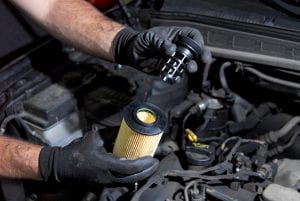
An engine management light on your dashboard means your car’s computer has found a fault with the engine or emissions system. The light can mean something as minor as a loose fuel cap or as serious as a misfire that could damage the catalytic converter.
How it behaves tells you how urgently you need to act: a steady amber light means get it checked soon, while a flashing light means stop as soon as it is safe to do so.
What is the engine management light?
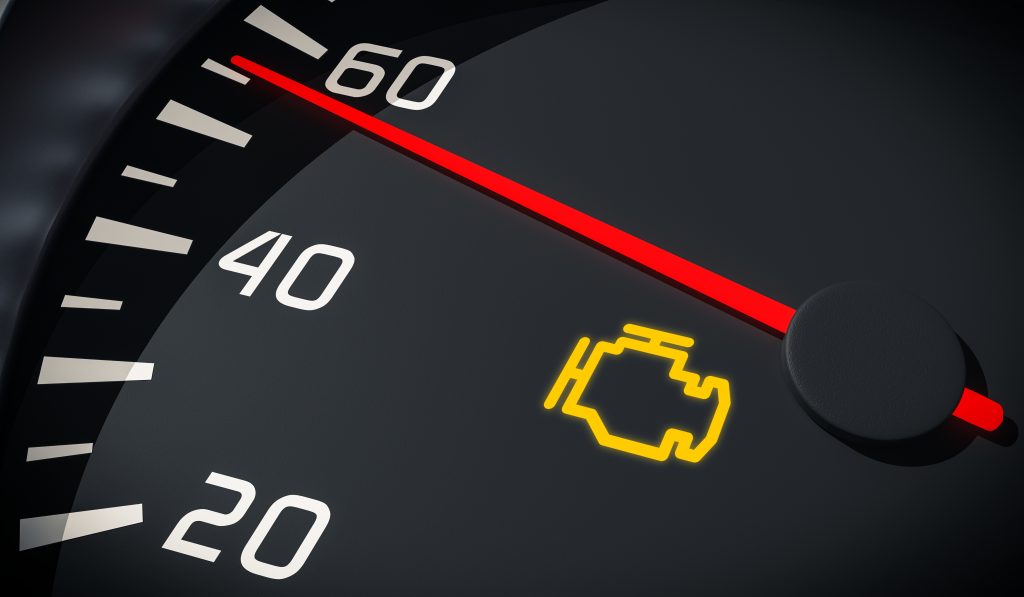
The engine management light (also called the engine warning light, check engine light or engine malfunction light) is the symbol shaped like the outline of an engine. It is usually amber or yellow, although some manufacturers use red for more serious faults.
It is controlled by the engine control unit (ECU), which constantly monitors sensors across the engine, fuel, ignition and exhaust systems. When a reading falls outside its expected range, the ECU stores a fault code and switches the light on. Every petrol car sold in the UK since 2001 and every diesel since 2004 has an on-board diagnostics (OBD) port that a garage can plug into to read that code.
It is normal for the light to come on for a few seconds when you turn the ignition on. This is a bulb check. If it goes out once the engine starts, there is nothing to worry about.
What does the engine management light mean?
The meaning of the engine light depends on its colour and whether it is steady or flashing.
- Steady amber or yellow: a fault has been detected. The car is usually safe to drive, so book a diagnostic check within a few days.
- Flashing amber: a serious fault, often an engine misfire. Reduce speed and stop when safe.
- Red (on some models): a critical fault. Stop as soon as it is safe and call for assistance.
Orange, amber or yellow engine light
An orange engine light is the most common version. It tells you the ECU has logged a fault that needs attention. It is not usually an emergency. The car may drive normally or you may notice rougher running, higher fuel use or less power.
Don’t ignore it because the car feels fine. A small sensor fault left unchecked can lead to bigger repair bills later.
Engine management light flashing
A flashing engine management light is more serious. It usually points to a misfire, where fuel is not burning properly in one or more cylinders. Unburnt fuel then passes into the exhaust, where it can overheat and damage the catalytic converter. Replacing a catalytic converter often costs far more than fixing the original fault.
If the light is flashing, ease off the accelerator, avoid heavy loads or towing and stop somewhere safe. Have the car recovered or driven a short distance to a garage.
Red engine light
On some cars a red engine light signals a critical fault. Red warnings on any dashboard mean stop. Pull over when safe, turn the engine off and call for breakdown assistance.
Why is my engine light on? The most common causes
There are hundreds of possible fault codes. Most engine management lights come down to a handful of causes.
- Faulty oxygen (lambda) sensor. It measures oxygen in the exhaust so the ECU can balance the fuel mixture.
- Ignition problems. Worn spark plugs, failing ignition coils or damaged HT leads cause misfires. These are a common reason for a flashing light.
- Mass airflow sensor faults. This sensor measures the air entering the engine. A dirty sensor or a clogged air filter can upset its readings. Our guide on whether a dirty air filter can damage your car engine explains the knock-on effects.
- Fuel system problems. A blocked fuel filter, failing injectors or contaminated fuel all affect how the engine runs. If you suspect you have filled up with the wrong fuel, read what to do if you’ve put the wrong fuel in your car before driving any further.
- Exhaust gas recirculation (EGR) valve. On diesels in particular this valve can clog with soot and stick.
- Blocked diesel particulate filter (DPF). Diesels driven mainly on short journeys rarely get hot enough to burn off trapped soot.
- Catalytic converter failure. Usually a result of another fault, such as a long-running misfire.
- Loose or faulty fuel cap. A cap that is not sealing properly can trigger an evaporative emissions fault on some models.
Overheating can also trigger the light, although most cars have a separate temperature warning. If the temperature gauge is climbing, our article on why your car engine might be overheating covers the likely causes.
Can you drive with the engine management light on?
With a steady amber light and no other symptoms, you can usually keep driving for a short time. Book the car in for a diagnostic check as soon as you can and avoid long journeys until you know what the fault is.
You should stop driving if:
- the light is flashing
- the light is red
- the car has lost power or entered limp mode
- you notice heavy smoke, strange noises or a burning smell
- another warning light comes on at the same time, such as oil pressure or temperature
What to do when the engine light comes on
- Check how the car is driving. Note any loss of power, rough idling, unusual noises or smoke.
- Look for other warning lights. Oil, temperature and battery lights alongside the engine light point to a more urgent problem.
- Check the fuel cap. Make sure it is tight and clicks into place.
- Get the fault code read. A garage can plug a diagnostic tool into the OBD port to see which system has logged the fault.
- Get the fault fixed. The code shows where to start looking. A qualified technician should confirm the cause before parts are replaced.
How to reset the engine management light
The engine management light can be reset with an OBD reader or, on some older cars, by disconnecting the battery. However, resetting the light only clears the stored code. It does not fix the fault.
If the underlying problem is still there, the light will come back on, often within a few miles. Clearing codes just before an MOT is also unlikely to help, as the car may not have completed its self-checks and the light can return during the test. The only lasting way to turn the light off is to repair whatever triggered it.
Is the engine management light an MOT failure?
Yes. Since May 2018, an illuminated engine management light has been recorded as a major defect, which means an automatic MOT fail. The car will also fail if the light does not come on at all during the ignition check, as the tester cannot confirm the warning system works.
If the light is on, have the fault diagnosed and fixed before your test. Our guide to what is checked on an MOT lists the other common reasons for failure.
How to reduce the chance of an engine light
Many engine management faults start with parts that have simply worn out. Regular servicing is the most effective way to keep the light off:
- Replace air, fuel and oil filters at the intervals in your service schedule. Clean filters keep air and fuel flowing at the right rate and protect sensors further down the system.
- Change your engine oil on time. Our guide to the signs it’s time to change engine oil explains what to look out for.
- Take diesels on a longer run at motorway speeds now and then to help the DPF regenerate.
- Keep up with interim services between full services if you cover high mileage. Find out what an interim service includes.
Filter Services supplies quality replacement filters for cars, vans and commercial vehicles. Browse our automotive filters or contact the team for help finding the right part.
Engine management light FAQs
What is the most common reason for the engine management light to come on?
A faulty oxygen sensor and ignition problems such as worn spark plugs or coils are among the most common causes. A diagnostic check is the only way to confirm the cause on your car.
Can a low battery cause the engine management light to come on?
Yes. Low voltage can cause sensors and the ECU to give false readings. If the light appears after a jump start or a period of weak starting, have the battery tested.
Will the engine management light go off by itself?
It can, if the fault was temporary, such as a loose fuel cap that has since been tightened. The fault code usually stays stored in the ECU, so it is still worth having it checked.
Keep your vehicle running smoothly with Filter Services
An engine management light is often the first sign that a part has worn out. Keeping your filters in good condition is one of the simplest ways to protect your engine and avoid unexpected faults.
Filter Services supplies replacement filters from leading manufacturers for cars, vans, HGVs, agricultural machinery and plant.
Our range includes oil filters, car filters and hydraulic filters, with filtration solutions for a wide range of industries. You can buy filters online or visit one of our branches. Need help finding the right part? Contact our team for expert advice.